

At first glance, a work of art appears to be a static asset. It hangs on the wall, stands in a room, or is in storage, and represents a certain value. However, anyone who works with or collects art knows that this stillness is often an illusion. Art moves. It is relocated, loaned out, stored, transported, and exhibited. And it is precisely during this movement that the greatest risk arises.
In many cases, art insurance is structured around the object itself. What is it worth? Where is it located? And how can it be insured against damage or loss? These are logical questions, but they only tell part of the story. The vulnerability of art is rarely found in the object alone, but primarily in the context in which it is situated.
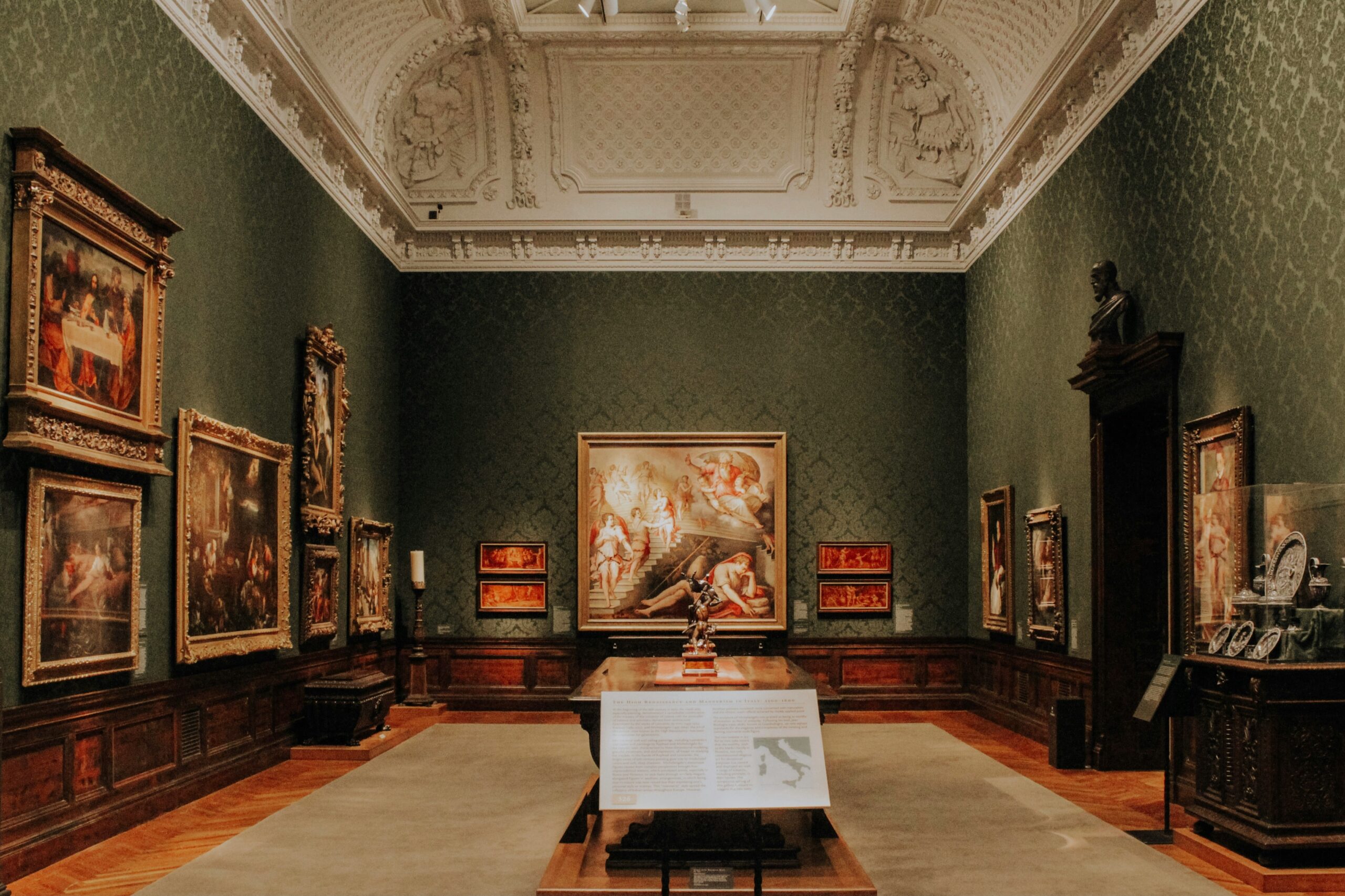
As soon as a work of art is moved, the situation changes immediately. It is packed, possibly by an external party. It goes into transit, sometimes over short distances, sometimes internationally. It ends up in a different environment, with different security and different parties involved. Each of these steps brings new risks, and it is precisely this dynamism that often causes a standard approach to fall short.
What we regularly encounter in practice is a reliance on assumptions. That transport is “well-arranged,” that an organizer bears responsibility, or that an existing policy automatically provides coverage in every situation. Until something happens. Then it turns out that responsibilities were not clearly defined or that a specific situation falls outside the coverage. Not due to negligence, but because the reality is more complex than previously estimated.
At Den Hartigh Adviesgroep, we therefore do not only look at what someone owns, but primarily at how it is handled. This means we look beyond the value of a work of art and focus on the entire process surrounding it. How often is a work moved? Is it loaned out? Are there temporary exhibitions? Are external parties used for transport or storage? By making these types of questions central, a more realistic picture of the risks emerges.
This approach also ensures that an insurance policy does not become a static document, but something that evolves with practice. Because situations change. Collections grow, works are repurposed, or become part of an exhibition. It is precisely then that it is important for the foundation to be solid and for quick action to be taken when necessary.
The goal of good art insurance is therefore not only financial coverage, but above all, peace of mind. The certainty that, if something happens, it is clear what has been arranged. That no gray area arises at the moment when clarity is most important.
At Den Hartigh Adviesgroep, we believe that this approach makes the difference. Not by making it more complex than necessary, but by making it more concrete. So that art insurance is not a formality, but a logical part of how value is managed.
"The true vulnerability of art does not lie in its presence on the wall, but in everything that happens as soon as it is in motion. Only those who understand that process can truly protect it." According to Jan-Paul den Hartigh – Fine Art Specialist.
About Den Hartigh Adviesgroep
Den Hartigh Adviesgroep has been a renowned consultancy firm since 1916, supporting businesses and individuals with strategic and financial matters. The organization is known for its customer-oriented approach and broad expertise in the field of (Inland) Marine, High-Net-Worth and Film & Events.
For more information
Erik van der Kooij
Marketing/PR manager
Den Hartigh Adviesgroep
078 676 9000
marketing@denhartigh.nl